
Liposuction Versus Abdominoplasty
Do you want a flatter, better-toned abdomen? There are a few ways you can go. Liposuction can be used to eliminate pockets of undesirable fat, while a tummy tuck can be used to remove extra skin and strengthen weak abdominal muscles. Knowing that distinction is important when choosing the proper method.
What Makes These Procedures Different
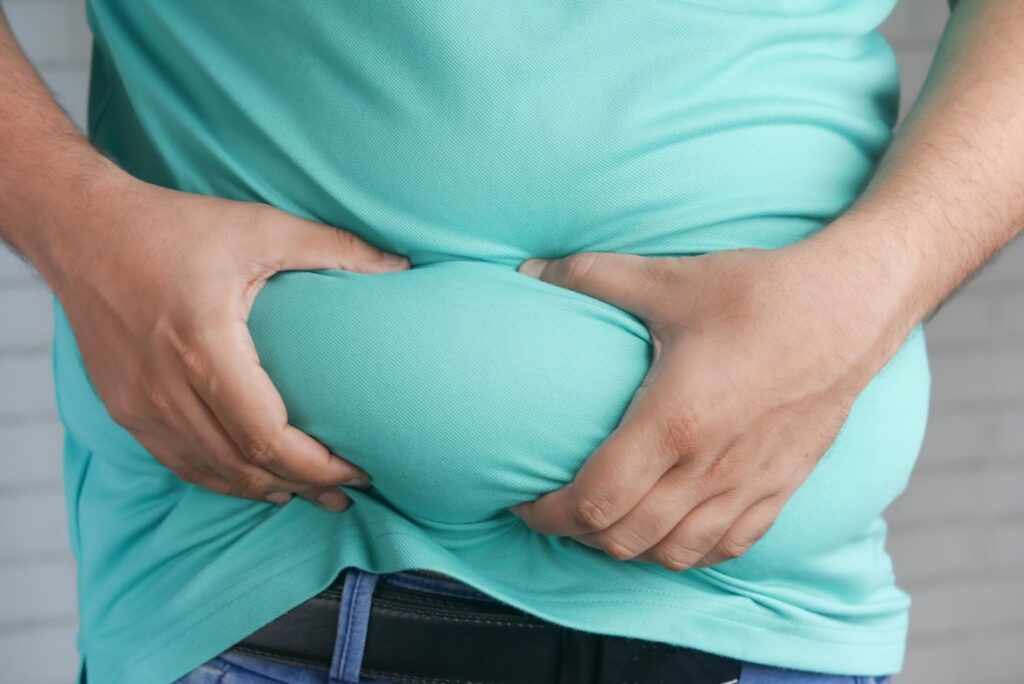
Image by Towfiqu barbhuiya is licensed with Unsplash License
The best way to understand the difference in these procedures is to think about what they change. Liposuction is used to remove fat concentrated in one area of the body. When there is a separation of the abdominal muscles, a tummy tuck, or abdominoplasty, will correct excess skin and fat as well as tighten the abdominal wall.
FeatureLiposuctionTummy TuckMain ObjectiveRemove extra fatRemove extra skin and fat, tighten musclesTargets Sagging SkinNoYesTargets Muscle SeparationNoYesIncision SizeSmall punctures, about 1/8 to 3/16 inchLarger hip to hip incisionScarringMinimal, almost undetectableLonger scar, concealed in bikini areaRecovery TimeQuicker (days to weeks)Longer (weeks to months)Optimal CandidateGood skin elasticity, localized fat, close to optimal weightPost-pregnancy or weight loss, excess skin and muscle separation
One crucial note: neither technique is a substitute for weight loss. Liposuction is a body contouring technique, not an obesity treatment. A tummy tuck improves the shape of the abdomen without considerable weight reduction.
How Each Process Works
In liposuction, the surgeon makes small cuts and inserts a thin tube called a cannula to break up and remove fat cells. Depending on the area to be treated and the technique of the surgeon, several techniques of liposuction may be utilized. Tumescent liposuction is the process of injecting a fluid solution into the fatty tissue prior to fat removal. VASER and other ultrasound-assisted techniques use energy to help break up fat cells. Laser techniques use the energy of a laser to do the same thing.
Abdominoplasty is a distinct kind of surgery. The surgeon removes extra skin and fat from the abdomen and tightens the underlying connective tissue. If the abdominal muscles have split, the surgeon can sew them back together with internal sutures. Any residual skin is then pulled back up to give a smoother abdomen contour.
This muscle restoration may be especially crucial after pregnancy or significant fluctuations in body weight. Studies on rectus diastasis correction have demonstrated improvements in a range of physical-function measures, although results differ between individuals and surgery is not suitable for every patient.
What Procedure Is Right For Your Case?
If you are near your ideal weight, have rather firm and elastic skin, and are mostly troubled by persistent deposits of fat, liposuction could be a good option for you. Common treatment locations include the abdomen, hips, thighs, arms, and any other places that have stubborn localized fat despite a healthy lifestyle.
The biggest mistake is thinking reducing fat inevitably tightens the skin. It won’t. If your abdominal skin is very loose, eliminating the fat underneath may leave you with the same loose skin, or in some situations, may make it more visible.
If your primary issue is excess, hanging, or stretched skin, separation of abdominal muscles, or changes after pregnancy or major weight loss, a stomach tuck may be a preferable alternative.
You might also wonder if you have diastasis recti. Try a simple at-home screening method known as the DRAM test. Lie on your back with your legs bent, lift your head and shoulders slightly, and feel along the center of your abdomen for a gap between your abdominal muscles. A “pinch test” can provide some indication of the amount of loose skin.
These self-checks are screening tools, but they can’t tell you if you need surgery or what technique will give you the best result. To determine the best approach, a surgeon will need to analyze your abdominal wall, skin quality, fat distribution, medical history, and goals.
Recovery Times and Scarring
Recovery is also another important difference between the surgeries.
In general, liposuction includes smaller incisions and does not require the restoration of the abdominal muscles. Swelling and bruising are normal, and patients often wear compression garments during the first healing period.
Recovery for abdominoplasty is more complex. The tissue is taken away, and the abdominal wall is closed as needed. Dressings, compression garments, and temporary drainage may be used. Stricter activity limits are in place during the healing phase of the abdominal wall.
The scar is something else to think about. Liposuction typically results in a few minor scars where the cannula was inserted. With a full tummy tuck, you will have a larger scar across your lower abdomen, but the incision is usually placed in such a way that it can be hidden by underwear or a bathing suit.
Most scars will change a lot over time but not totally disappear. Your surgeon can discuss scar care choices and your individual healing timeline with you.
Understanding the Price Difference
Generally, a stomach tuck is more expensive because it is a more invasive surgical procedure. Both treatments are normally considered cosmetic, meaning that if they are done only to improve appearance, they are typically not covered by health insurance. When abdominal surgery is part of the treatment for a medically required condition, there are exceptions.
The Power of Both Procedures Combined
Sometimes the answer isn’t a tummy tuck vs. liposuction. It is “both.”
Lipoabdominoplasty is a combination of liposuction and abdominoplasty designed to address excess fat, loose skin, and abdominal laxity at the same time. Liposuction can sculpt the areas around the abdomen and waist, while a tummy tuck removes excess skin and tightens the abdominal wall.
Mini Tummy Tuck vs. Complete Tummy Tuck
| Feature | Mini Tummy Tuck | Complete Tummy Tuck |
|---|---|---|
| Area Treated | Lower abdomen alone | Upper and lower abdomen |
| Muscle Repair | Sometimes, lower portion only | Yes, complete repair as needed |
| Belly Button Repositioning | No | Yes |
| Incision Length | Shorter | Extends between the hips |
| Time Away From Work | ~1 week | ~2 weeks |
| Total Recovery | 3–4 weeks | 6–8 weeks |
| Results | Subtle and targeted improvement | Dramatic and comprehensive |
| Best For | Mild sagging skin or a small lower-belly pouch | Significant skin laxity, muscle separation, or changes after pregnancy or substantial weight loss |
A surgeon will be able to evaluate your individual needs and determine which approach—or combination of procedures—may be appropriate for you.
Take the Next Step to Your Ideal Contour
In the case of liposuction vs. stomach tuck, it is really about what you want to modify. There is no reliable way to make the selection on the basis of images or a home test alone. In the consultation, a board-certified plastic surgeon will assess your skin elasticity, muscle tone, fat distribution, weight stability, medical history, and desired result.
If you’re thinking about liposuction, a tummy tuck, or a combination technique, arrange a consultation with the staff at Physique by Pesta to discuss your objectives and learn which body-contouring option may be suitable for you.

